
Things to Do in Cairo in February
February weather, activities, events & insider tips
High Season · Book Early
February Weather in Cairo
Long-run averages for February
68°F (20°C)
High Temp
51°F (11°C)
Low Temp
0.1 inches (3 mm)
Rainfall
56%
Humidity
5
Sunny-Day UV
⚠ Late February can bring the first khamsin winds of the season. Hot dry gusts from the Sahara carry fine sand across the city. Visibility drops to a few hundred metres. Every surface gets coated in gritty dust. The sky turns a yellowish amber. The air feels thick and scratchy in your throat. These episodes typically last one to two days. If the wind shifts to the south and the sky discolours, stay indoors. Keep windows shut. Protect camera equipment. They are not daily occurrences. They are not rare either. Late February sits right on the edge of the season.
Making the most of February in Cairo? Browse tours and activities in Cairo on GetYourGuide.
Is February Right for You?
Weigh the advantages and considerations before booking
Advantages
- + February's daytime average of 20°C (68°F) makes Cairo's open-air archaeological sites comfortable to explore for hours at a stretch. From May through September, the Giza Plateau bakes above 34°C (93°F) and most visitors retreat indoors by 11am. In February you can spend a full day walking Saqqara's desert necropolis or climbing the Citadel ramparts without the heat forcing your schedule. Worth it.
- + Ramadan is expected to span most of February 2027, and while it reshapes daily routines, it opens a version of Cairo that ordinary tourism never touches. After the iftar cannon fires at sunset, the streets around Al-Hussein Mosque and the Al-Azhar quarter erupt with fanous lanterns, communal dining tables seating hundreds, and a nighttime energy that makes Cairo's normal after-dark bustle look subdued by comparison. Go then.
- + Rain is essentially absent. With roughly 3 mm (0.1 inches) for the entire month, you can book desert overnight trips, Nile felucca sails, and all-day walking tours with near-total confidence that weather will not cancel your plans. The dry air also means clear skies for photography, and the low winter sun angles turn the Giza limestone a deep honey gold that summer's flat overhead light never produces. Pack a zoom lens.
- + February's clear, low-humidity atmosphere creates some of the best stargazing conditions within easy reach of Cairo. An overnight excursion to the Western Desert or Fayoum allows you to see a sky dense with stars, something unimaginable from the light-polluted city, in temperatures cool enough to sit outside comfortably after dark. Bring layers.
Considerations
- − Ramadan means most local restaurants, street food carts, and cafes shut during daylight hours. Hotel restaurants and tourist-facing venues stay open. But the spontaneous daytime food grazing that normally makes Cairo one of the great street-eating cities is largely off the table until sunset. If you are exploring Islamic Cairo or the City of the Dead at midday, your lunch options shrink to whatever you brought in your bag. Pack snacks.
- − February is firmly peak tourist season for Egypt. The comfortable weather draws the heaviest visitor numbers to the Giza Plateau, the Egyptian Museum, and any Nile cruise route. By mid-morning the Great Pyramid's entrance queue can stretch half an hour, and the Sphinx viewing platform fills with group tours three or four deep. Book archaeological site tours for first light or you will share every monument with a crowd. Arrive early.
- − The 10°C (18°F) temperature swing between afternoon warmth and early-morning chill catches travelers who pack only for daytime. Evenings near the Nile feel outright cold when the breeze comes off the water at 11°C (51°F), and a predawn taxi to catch the sunrise at Giza will have you wishing for a proper jacket. The desert amplifies this further: overnight camping trips can dip well below the city's recorded lows. Bring fleece.
Settled on February? Compare hotel prices in Cairo for your dates on Trip.com.
Best Activities in February
Top things to do during your visit
February in Cairo arrives with dry, mild air and daytime temperatures that hover around 20°C (68°F), cool enough to walk for hours without the punishing heat that descends from May onward. Mornings carry a genuine chill. Lows dip to about 11°C (51°F), and the stone floors of old mosques feel cold underfoot before the sun climbs above the minarets of Islamic Cairo. Rainfall is negligible, barely 3 mm for the entire month, which means day after day of pale blue sky stretching over the Nile's grey-green surface. This is one of the most comfortable windows to explore Cairo on foot, and the city's outdoor life reflects it. Tea sellers set up brass samovars along the Corniche, families spread blankets on the grass at Al-Azhar Park, and the narrow alleys of Khan el-Khalili smell of roasting coffee beans and fresh-cut sugarcane from juice carts doing brisk trade. The rhythm of Cairo in February is unhurried compared to the tourist crush of December or the stifling lull of summer. Locals fill downtown patisseries in the evening, where the scent of warm feteer meshaltet, flaky, butter-layered pastry, drifts onto the pavement. The Giza Plateau is walkable without heat exhaustion for the first time since autumn, and the light at the pyramids turns golden and low by mid-afternoon, casting long shadows across the limestone. Because February sits between the European winter holiday increase and the Easter-adjacent spring peak, queues at major sites are shorter, guides are less rushed, and the general pace allows for deeper encounters with Cairo's layered, overwhelming, endlessly rewarding street life. The city sounds different in this cooler air, too. The call to prayer carries farther, car horns echo off apartment blocks with sharper clarity, and conversation at sidewalk ahwas (coffeehouses) stretches late into the evening without the lethargy that summer heat imposes. For travelers weighing when to visit Cairo, February is a strong choice precisely because it sidesteps extremes. The weather is dry and temperate, accommodation availability is wider than during peak season, and the city operates at full cultural speed. Museums hold regular hours, Nile dinner cruises run nightly, and the new Grand Egyptian Museum receives visitors without the bottleneck of high season. Pack a light jacket for after sunset and comfortable shoes for cobblestones, and Cairo will reward you with one of its most agreeable months.

Cairo Street Food with a Local Family
foodThis experience pulls you off the tourist trail and into the domestic kitchens and backstreet stalls where Cairo eats. You join a local family to taste dishes that never appear on hotel menus. Think molokhia ladled from a blackened pot, its slippery green broth fragrant with garlic fried until it just starts to turn golden, or koshary scooped from a street cart where the tangy tomato sauce has been simmering since dawn and the fried onion topping crackles between your teeth. The route threads through residential neighborhoods where the soundtrack is clattering plates, vendor calls, and the hiss of falafel dropping into hot oil.
Cairo's street food is one of the great underrated cuisines on earth, and eating it with a family who knows the vendors by name transforms a meal into an education.
Insider tip: Ask your hosts to include a stop for fresh sugarcane juice. The vendors near Bab el-Khalq press it to order, and in February's cool air the icy, grassy-sweet liquid is at its most refreshing without the cloying warmth of summer diluting the experience.

Private VIP Tour: Giza Pyramids, Sphinx & Grand Egyptian Museum
culturalA private, guide-led circuit that covers the Giza pyramids, the Sphinx, and the Grand Egyptian Museum in a single day, with the logistical seams handled so you spend your energy on the monuments rather than on Cairo's anarchic traffic. At Giza, the February light is extraordinary. Low-angled and warm-toned, it picks out individual blocks on the Great Pyramid's face and throws the Sphinx's eroded features into sharp relief. Inside the Grand Egyptian Museum, the sheer scale of Tutankhamun's reassembled collection justifies the private pacing. Gold that still gleams after three millennia, faience tiles in turquoise so saturated it looks wet. A guide who can read the room and skip the crowds at high-traffic displays makes the difference between sensory overload and genuine comprehension.
Combining the plateau and the museum in a single privately guided day lets you trace Egyptian civilization from quarried stone to gilded burial mask without losing momentum to logistics.
Insider tip: Request that your guide start at Giza by 8 a.m. In February the site opens early, the stone is still cool to the touch, and the tour buses from Hurghada do not arrive until mid-morning, giving you the plateau in relative quiet.
This month: February's mild temperatures make the exposed, shadeless Giza Plateau far more comfortable than any visit between April and October, when surface temperatures on the stone can exceed 45°C.

Private Giza Pyramids, Saqqara & Memphis Tour with Egyptologist
guided_experienceThis itinerary reaches beyond Giza to Saqqara and Memphis, two sites that most first-time visitors to Cairo skip, and that is precisely why they reward the effort. Saqqara's Step Pyramid of Djoser, the oldest monumental stone structure on the planet, rises from the desert floor surrounded by silence that Giza lost decades ago. In February you can hear the wind scouring the sand against the enclosure wall and smell the dry mineral dust kicked up by your own footsteps. At Memphis, the colossal fallen statue of Ramesses II fills an entire hall, and standing beside it you feel the physical weight of the pharaonic scale. The carved alabaster is smooth and cool even in the afternoon. Having an Egyptologist rather than a general guide transforms these sites from photo stops into a coherent narrative of how Egyptian architecture evolved across two thousand years.
Saqqara and Memphis are where Egyptian civilization learned to build in stone, and seeing them with a specialist guide reveals the engineering logic that Giza's pyramids perfected.
Insider tip: Wear sturdy closed-toe shoes. Saqqara's paths are uneven sand and rubble, and the descent into the recently reopened burial chambers involves narrow, sloping corridors where grip matters.

Private Transfer: From/To Cairo International Airport Cairo Giza
transportCairo International Airport delivers you into one of the world's most chaotic arrival halls, and the drive into the city, through flyovers stacked three deep, past minarets lit green against the night sky, with horns blaring in a rhythm that somehow is communication, is either exhilarating or overwhelming depending on your preparation. A pre-arranged private transfer removes the one variable most likely to sour a first impression: haggling with unlicensed taxi drivers at 2 a.m. while jet-lagged. The vehicle meets you at arrivals, handles luggage, and follows a fixed route to your hotel in central Cairo or Giza, which in February's lighter traffic typically takes 30 to 45 minutes outside rush hour.
The gap between a smooth airport transfer and a bad one in Cairo is wider than in almost any other major city. Booking in advance collapses that risk to zero.
Insider tip: Confirm with your driver whether the route uses the Ring Road or cuts through Heliopolis. During Friday mornings the city is near-empty and the direct route through Heliopolis is faster. But on weekday evenings the Ring Road avoids gridlock near Ramses Square.

Half Day Private Tour of the Giza Pyramids with Camel Ride, Lunch
private_tourA half-day at Giza that layers a camel ride and lunch onto the standard pyramid visit, turning a sightseeing stop into something that engages more senses than sight alone. The camel ride crosses the sand plateau south of the pyramids, where the tourist density drops sharply and the view opens to all three pyramids aligned against the desert. In February's clear, dry air the visibility is excellent and the Saharan horizon stretches unbroken. Lunch is typically served at a local restaurant near the plateau, where grilled kofta arrives sizzling on a metal platter, the charcoal smoke still rising, alongside tahini, warm flatbread, and pickled turnips stained electric pink with beetroot.
The camel ride reframes the pyramids from a monument you look at into a landscape you move through, and the midday meal anchors the experience in Cairo's food culture rather than leaving it as pure archaeology.
Insider tip: If you are not an experienced rider, ask for a calm, older camel and grip the front pommel during the mount and dismount. That is when the animal lurches most dramatically. Wear long trousers to avoid chafing from the saddle blanket.
This month: February's cooler temperatures are significantly kinder to the camels and to riders. Summer camel rides on the plateau are an endurance test for both species.

Private, High-End Photography & Authentic Walking Tours in Cairo
walking_tourCairo is one of the most photogenic cities on earth. But it does not yield its best images to someone pointing a camera from a tour bus. This walking tour pairs you with a photographer who knows the city's light, angles, and rhythms. Where the morning sun pours through the mashrabiya screens of Bayt al-Suhaymi and casts lattice shadows on the stone floor, which alley in Islamic Cairo funnels the late-afternoon glow into a single golden corridor, and when the spice merchants at Khan el-Khalili arrange their pyramids of turmeric, paprika, and dried hibiscus into compositions so saturated they look painted. In February, Cairo's light is lower and softer than in summer, which eliminates the harsh midday contrast that blows out highlights and crushes shadows in architectural photography.
A photographer who knows Cairo's streets will put you in front of compositions you would walk past on your own, and the coaching transforms your travel photography from documentation into something worth printing.
Insider tip: Bring a lens (or phone setting) that handles low light well. The most striking interiors in Islamic Cairo, the prayer halls of Sultan Hassan and Ibn Tulun mosques, are lit by narrow shafts of natural light that reward a steady hand and a wide aperture, not a flash.
This month: February's lower sun angle produces the raking, directional light that architectural and street photographers prize. The same scenes shot in June's overhead sun lose most of their depth and texture.
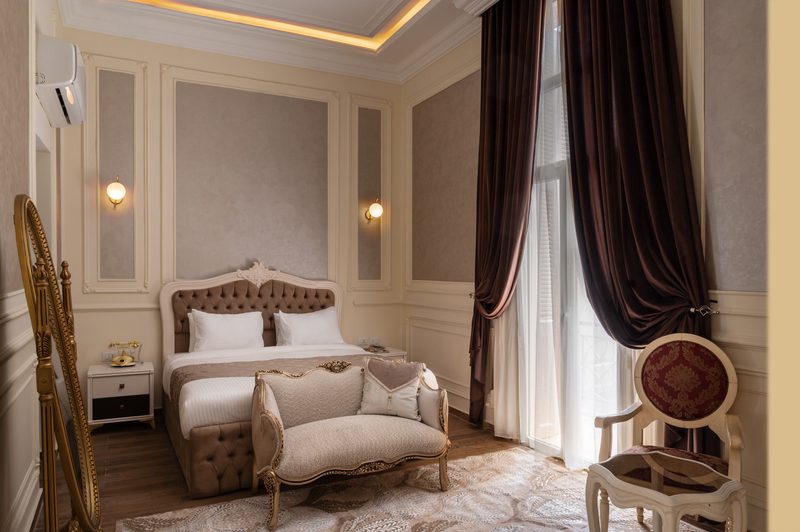
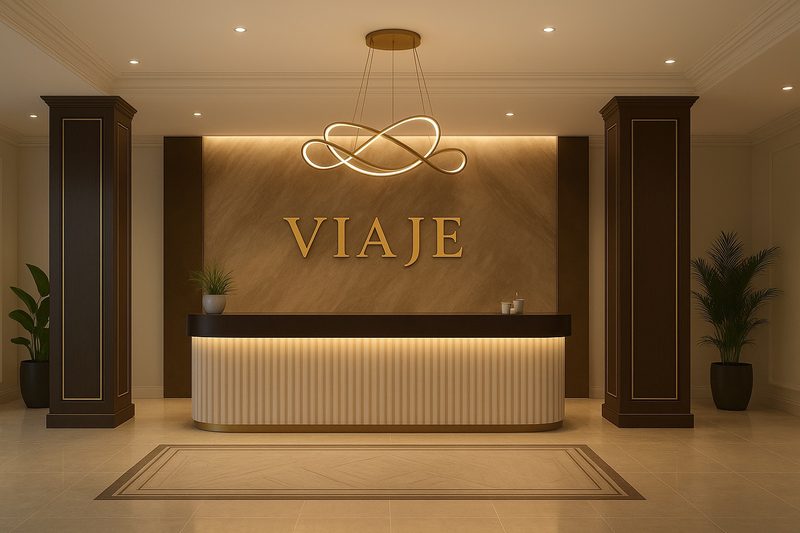
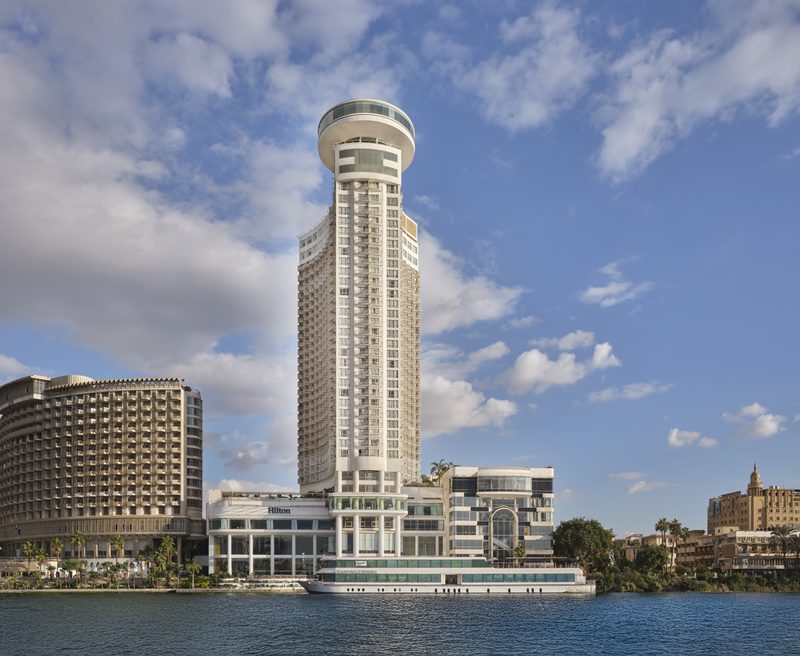
Where to Stay in Cairo in February
Hand-picked hotels across price tiers for February travellers.
Packing Checklist
Bookmark this page — your progress is saved between visits
Need the full list with shopping links?
Climate-specific gear, brand recommendations, and what to leave at home.
View Cairo Packing List →Essential Tips
Insider knowledge and common pitfalls to avoid
Insider Knowledge
The most memorable thing you can do during Ramadan in Cairo is sit down at a public mawa'ed al-rahman, the communal charity tables that appear across the city at sunset. The largest ones near Al-Azhar and around the Citadel of Saladin seat hundreds. Nobody will ask for credentials or payment. Show up ten minutes before the iftar call, take a seat, and eat ful, rice, and grilled chicken alongside Cairenes who will welcome you with a warmth that formal tourism rarely produces. The qamar al-din, a thick apricot drink poured from metal pitchers, tastes like concentrated sunshine and signals Ramadan the way nothing else does.
Visit the Giza Plateau twice if your schedule allows. Go at opening, around 8am, for the interior of the Great Pyramid before the air inside thickens with body heat and the queue stretches to thirty minutes. Then return in the late afternoon for the view from the desert plateau to the southwest, where the three pyramids line up against the sunset and the sound-and-light show viewing area has a silhouette that the morning angle cannot replicate. Two visits, two different experiences of the same site.
Cairo's metro is the fastest way across the city. Tourist coverage rarely mentions it. Line 3 now runs from Cairo International Airport to downtown. Skip the arrival taxi negotiation entirely. Be at your hotel in under an hour. The women-only cars in the middle of each train are clearly marked and enforced. Rush hour between 7 and 9am is a contact sport. Midday trains are half-empty and air-conditioned.
The Egyptian Museum in Tahrir Square and the Grand Egyptian Museum near Giza are complementary collections, not duplicates. Budget at least three hours for each. The GEM's Tutankhamun galleries draw the heaviest afternoon crowds. Arrive when doors open. Work backward from the blockbuster halls. The older Tahrir museum still holds objects the GEM hasn't absorbed. Its chaotic labelling is part of the appeal. The building itself feels like stepping into a nineteenth-century expedition headquarters. Creaking wooden floors. Dusty skylights. Worth it.
Avoid These Mistakes
Pack only for warm weather and you will shiver. Evening felucca sails get cold. Predawn taxis to catch sunrise at the pyramids get colder. Cairo's February temperature swing of nearly 10°C (18°F) between midday and early morning surprises travelers. They expect uniform Middle Eastern heat. An evening on the Nile in a T-shirt at 11°C (51°F) with the river breeze is cold. Pack layers.
Arriving in February 2027 without realising that Ramadan falls across most of the month is a mistake. Travelers who have not adjusted their eating schedule find themselves hungry and frustrated at 2pm. Every street stall is shuttered. The nearest open restaurant is a taxi ride back to a hotel. Carry snacks. Eat a solid breakfast. Plan your evenings around the iftar meal. Do not fight the city's rhythm.
Underestimating Cairo's distances is common. Sites appear close on a map. They are not. The Egyptian Museum in Tahrir to the Giza Plateau is roughly 15 km (9.3 miles). The traffic is among the most aggressive on the planet. Use the metro for cross-city moves. Arrange a driver for multi-site days. Book tours with transport included. Walking is for neighbourhoods. It is not for getting between them.
Short on time? See day trips around Cairo on GetYourGuide.
Ready to plan your trip to Cairo?
Now that you've got the research covered, here's where to go next.
Explore More Activities in Cairo
Didn't see anything interesting yet?
Browse Viator's full catalog of tours, day trips, food experiences, and private guides in Cairo.
See All Cairo Tours on Viator